Pelvic PT & Endometriosis: Can It Really Help?
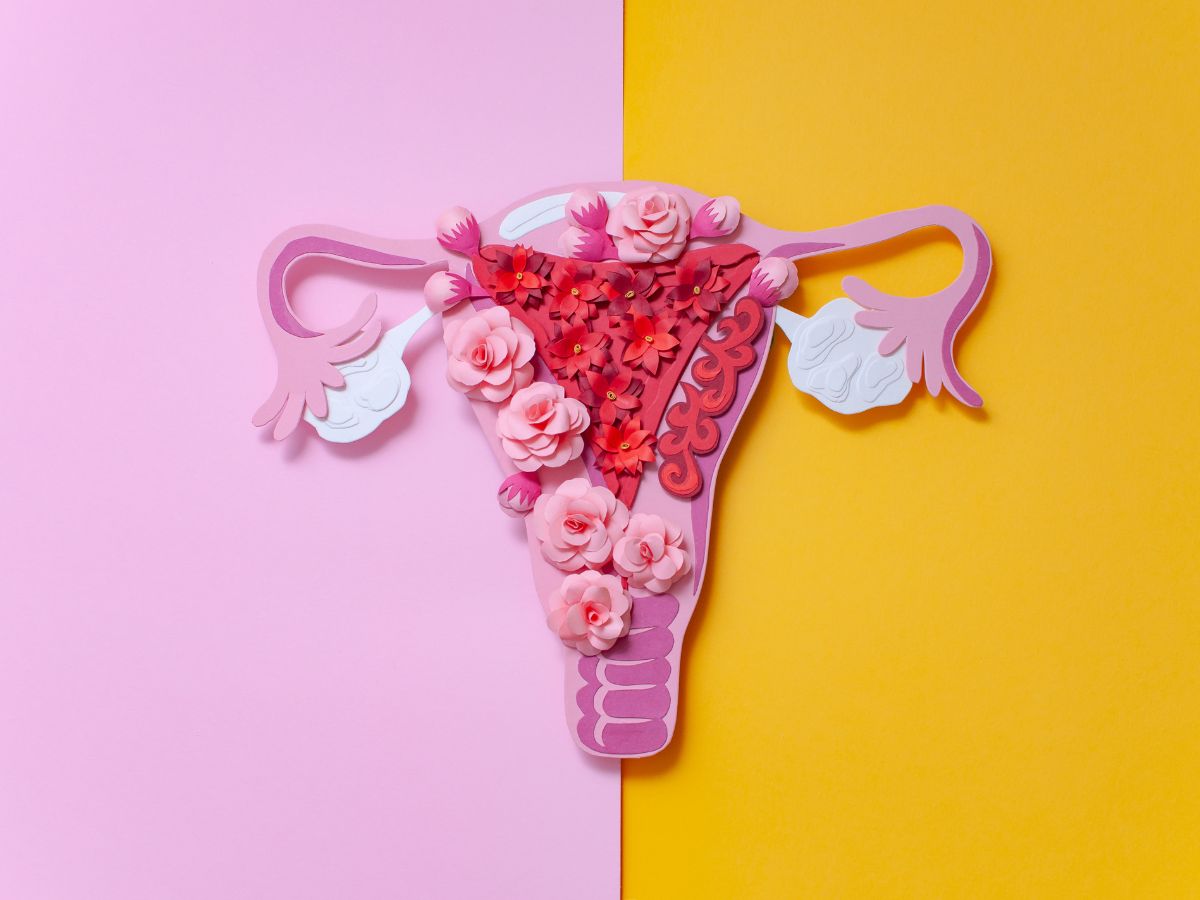
If you’re living with Endometriosis, you know it’s far more than just painful periods. Endo is a chronic, inflammatory condition where tissue similar to the uterine lining grows outside the uterus, and most often in the pelvis (ovaries, fallopian tubes, peritoneum).It affects roughly 10% of women of reproductive age worldwide. (source) and can cause severe menstrual pain, chronic pelvic pain, pain with sex, bowel or bladder symptoms, and even infertility. (source)
Because endo affects so many systems like your nerves, muscles, fascia, organs, the role of pelvic floor physical therapy (PT) is increasingly recognized as an important piece of the puzzle. While PT will not cure endometriosis, it can make a meaningful difference in how you feel, how you move, and how your body functions. (source)
What Is Endometriosis?
Endometriosis isn’t just bad cramps. It involves ectopic endometrial-like tissue that responds to menstrual hormones, bleeds, causes inflammation, scar tissue (adhesions), and can bind organs together.
Symptoms can include:
- Painful periods (dysmenorrhea)
- Pain during or after sex (dyspareunia)
- Chronic pelvic, back, or hip pain
- Bowel or bladder symptoms (painful urination, constipation, diarrhea)
- Infertility or difficulties conceiving
Treatment often involves one or more of the following:
- Medical management (NSAIDs, hormonal therapies)
- Surgery — the two common types you’ll hear about:
- Ablation/Coagulation: burning or destroying the lesions
- Excision surgery: cutting out lesions and adhesions
Surgery aims to reduce lesion burden and improve quality of life, but it’s not always fully curative and symptoms may persist.
How Can Pelvic Floor PT Help: Before and After Surgery
Pre-surgery
If you’re heading into surgery for endo, pelvic PT can help by:
- Optimizing the mobility of your muscles, fascia, and organs around the pelvis so you go in with less tension
- Teaching you breathing, posture, and pelvic floor coordination strategies so you’re better prepared for recovery after surgery
- Reducing compensatory muscle patterns (tight hips, back, glutes) that often build around chronic pain
Post-surgery & ongoing
After surgery, or as part of ongoing management, pelvic PT becomes a key support system in many ways. Adhesions and scar tissue can lead to pelvic floor dysfunction such as tight or muscles, pain with movement, sex, bowel or bladder issues. Pelvic floor PT addresses those issues directly. Manual therapy (internal and external) helps relax tight pelvic floor muscles, improve organ mobility, and reduce trigger-points in hips/back/abdomen. Functional exercises and neuromuscular re-education retrain your pelvic floor so it supports your bladder, bowel, and sexual function instead of guarding.
Pelvic PT, specifically at Uplift, also serves as lifestyle and movement coaching. You will learn posture, breathing, gut/bladder habits, movement patterns that support your body rather than put more pressure and stress on it, and how to implement these changes into your life in realistic ways.
Pelvic PT gives you tools to support your body from the inside out, and to reduce the burden of pain and dysfunction.
What to Expect in Pelvic PT for Endometriosis
In your first session, your therapist will listen to your full history: your endo diagnosis, surgeries, pain patterns, bowel/bladder symptoms, and your goals. Then you’ll go through an assessment of: posture, hip/back mobility, pelvic floor muscle tone, organ/tissue mobility. From there, a plan is developed.
Treatment may include:
- Manual internal pelvic floor work (gently, if appropriate)
- Myofascial release of hips, glutes, abdomen
- Visceral mobilization (organ mobility work)
- Movement and exercise prescription suited to your level
- Education on nervous system regulation and pain science
Real Talk: The Role of PT
It’s important to be clear: pelvic PT will not cure the root cause of endometriosis. The lesions and hormonal influences must be managed medically or surgically. But what PT can do is extremely valuable and improve quality of life for those with endo. Many patients report significant reductions in pain, improved movement, better bowel/bladder/sexual function and quality of life.
Hear it from one of our amazing patients: