Men’s Pelvic Health: Let’s Talk About It

Let’s start with something that doesn’t get said nearly enough: pelvic floor issues are not just a women’s health concern. Men have pelvic floor muscles too! And they play a major role in bladder control, bowel function, core stability, and sexual health.
The main difference? Men are far less likely to talk about it.
In fact, many men will ignore symptoms for months (or even years), often brushing them off as “just getting older,” “not that big of a deal,” or just something they’ll deal with later. By the time they do seek help, symptoms often present as more severe, frustrating, or even limiting to daily life. The truth is that these issues are common, they are treatable, and there is absolutely no shame in getting help.
Your body changing, responding to a very active or demanding life, not performing as you’d like it to, or experiencing new and confusing pains is nothing to hide from or put off. It means your body is trying to tell you something is off, and that it might need a different kind of support than it has had before.
What Causes Pelvic Floor Issues in Men?
Pelvic floor dysfunction in men is rarely caused by one single thing. More often, it’s the result of a combination of lifestyle factors, movement patterns, stress, and/or physical changes over time.
The pelvic floor works together with your core, diaphragm, and nervous system. That means things like chronic stress, poor breathing patterns, posture or movement form imbalances, low back or hip issues, and even prolonged sitting can all impact how these muscles function.
Many men actually hold too much tension in their pelvic floor, not too little. This often happens subconsciously, especially if the body is trying to protect another area of discomfort like the low back or hips. Over time, that constant gripping can lead to symptoms like pain, urinary changes, and even sexual dysfunction.
Other contributing factors may include constipation or straining, heavy lifting without proper coordination, high-impact training, exercise that puts added pressure on the pelvic floor, injury or sexual trauma, prostate conditions or surgery, and general decline in function or strength. Because everything in the body is connected and functions as a system, the pelvic floor often reflects what’s happening throughout the rest of the body, not just in one isolated area.
Signs & Symptoms to Pay Attention To
Pelvic floor dysfunction doesn’t always show up in obvious ways, which is part of why it’s often overlooked. Symptoms can vary, and they don’t always seem directly related at first glance.
You might notice things like needing to urinate more frequently, difficulty starting or maintaining a steady stream, or feeling like you’re not fully emptying your bladder. Some men experience urinary or bowel leakage, while others deal with chronic constipation or straining.
Pain is another common (and often confusing) symptom. This can show up as discomfort in the lower abdomen, pelvis, genitals, or rectum, and sometimes even in the low back or hips. Sexual health can also be affected, with changes in erectile function or pain during or after ejaculation.
One interesting thing to note: symptoms don’t always show up where the problem starts. Because the body is connected through fascia and movement patterns, tension or dysfunction in one area can create symptoms somewhere else entirely.
Why Men Often Wait
There’s a cultural piece to this that we want to acknowledge. Many men are taught to push through discomfort, avoid talking about sensitive topics, or only seek help when something becomes serious “enough.” Pelvic health falls right into that category.
But waiting often leads to:
- Symptoms becoming more persistent
- Compensation patterns in the body
- Increased frustration or limitation in daily life
The reality is, you don’t have to wait until things feel extreme to get support. Addressing symptoms early often leads to faster progress and better long-term outcomes. And just to normalize this even more: everyone has a pelvic floor. Everyone deals with bodily changes. Everyone deserves the proper care.
How Pelvic Floor Physical Therapy Helps
At Uplift, we take a whole-body, root-cause approach. That means we’re looking at how your pelvic floor is functioning in the context of your breathing, core strength, movement patterns, and nervous system.
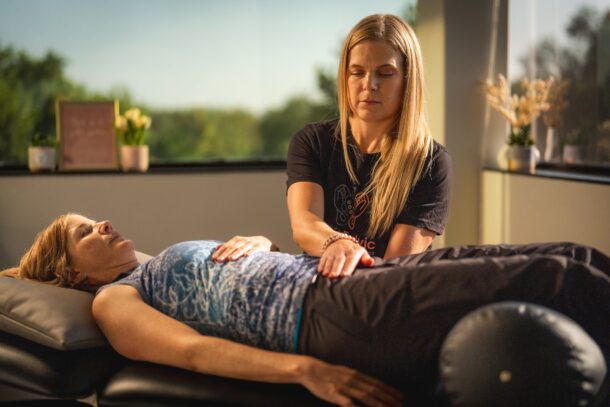
During treatment, we may work on improving pelvic floor coordination (which often means learning how to relax and improve range of motion, not just strengthen), restore proper breathing, teach correct pressure management, and build strength and control through your core and surrounding muscles. Hands-on and internal manual techniques may be used when appropriate, always with your consent, to address areas of tension or restriction.
We also focus on helping you understand your body and apply tools to your everyday life, because long-term change happens when you know how to support it outside of the clinic.
The Bigger Picture: Strength, Function, and Confidence
Pelvic floor therapy isn’t just about reducing symptoms, it’s about improving how your body functions as a whole.
That might mean:
- Feeling more confident during workouts
- Not constantly thinking about where the nearest bathroom is
- Moving without pain or restriction
- Improving sexual health and function
- Getting back to activities you enjoy without fear
Your pelvic health is part of your overall health, and taking care of it can have a ripple effect into so many areas of your life.
You Don’t Have to Keep Pushing Through
If you’ve been dealing with symptoms and wondering if it’s worth addressing, this is your sign that it is.
You don’t have to wait until things get worse. You don’t have to figure it out on your own. And you definitely don’t have to feel embarrassed about something that is both common and treatable.
Your body is capable of change, and support is available when you’re ready.
Ready to take the first step? Book a Male Pelvic Health Initial Assessment to start working with one of our expert Pelvic PTs!