

Dry Needling: A Game Changer for Healing, Strength, and Pelvic Health
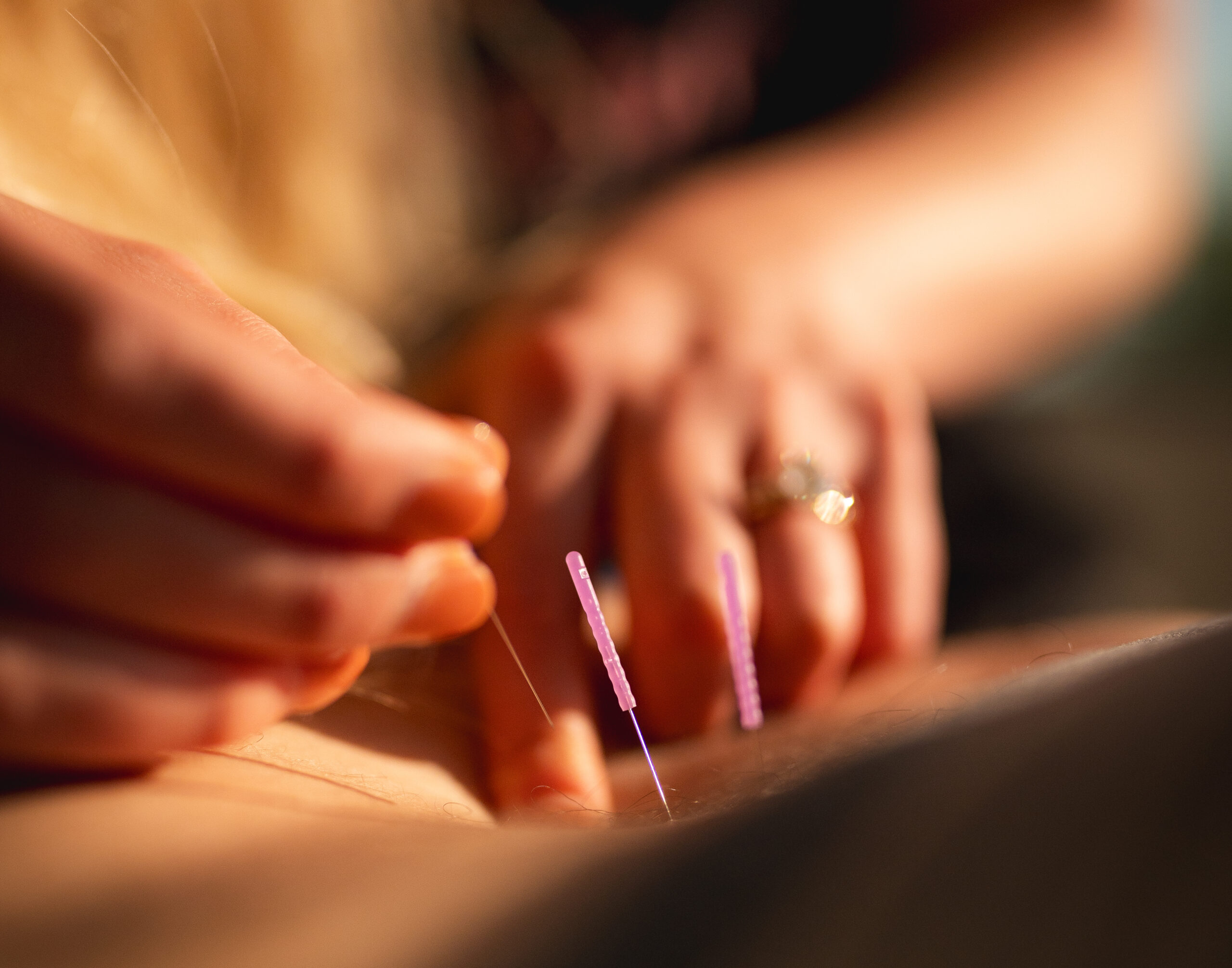
What is Dry Needling — and Why Do We Use It in Physical Therapy?
If you’ve ever dealt with recurring muscle pain, weakness that just won’t improve, or tightness that keeps coming back, dry needling might be the missing piece in your physical therapy recovery. It’s one of our favorite treatments as physical therapists because it’s fast, effective, and incredibly versatile.
Dry needling is a skilled technique where a thin, sterile needle is inserted into trigger points, tight muscles, or dysfunctional tissue to restore mobility, reduce pain, and improve function. Unlike massage or exercise alone, dry needling works from the inside out — getting directly into the muscle to reset it.
And no, it’s not quite the same as acupuncture.
Although both use similar needles, the approach, intention, and training are different:
| Dry Needling | Acupuncture |
| Based on Western anatomy and neuromuscular science | Based on Traditional Chinese Medicine |
| Targets trigger points, muscle dysfunction, and nerve pathways | Balances energy (Qi) through meridians |
| Used by physical therapists for pain, strength, mobility, and coordination of muscles | Used by acupuncturists for overall wellness and energy flow |
| Focused on restoring function in muscles and tissues | Focused on restoring balance in body systems |
Neither is “better,” they are just used for different reasons, and by different types of practicioners.
Dry Needling Does Two Big Things in PT:
1. Calms Things Down
We use it to reduce:
- Muscle tension and guarding
- Nerve sensitivity
- Inflammation and swelling
- Recovery time after injury
Perfect for those dealing with:
- Headaches, neck or jaw tension
- Low back or hip pain
- Joint stiffness
- Post-injury swelling or irritation
2. Builds Things Up
It also helps improve:
- Muscle activation
- Strength and performance
- Neuromuscular coordination
We use it to help “wake up” muscles that are weak, shut off, or just not firing well — especially in areas like the core, pelvic floor, or hip stabilizers.
Who Is Dry Needling For?
If you’re struggling with any of the following, dry needling may be a great fit:
- Chronic or acute muscle pain
- Limited range of motion
- Weak core or pelvic floor
- Prolapse, incontinence, constipation
- Pain with intercourse or bladder pain
- Postpartum weakness or disconnection
- Clicking hips, stiff joints, or mobility issues
- Pain with exercise or daily activity
Dry needling works best when paired with hands-on therapy, functional movement, and neuromuscular re-education — which is exactly how we use it at our clinic.
Why Do We Recommend It?
Because we’ve seen it work! Over and over again.
Our patients often feel results in just one session, especially when other methods (massage, chiro, exercise alone) haven’t provided lasting relief. It can also speed up your overall healing, so you can make faster progress in physical therapy.
Bonus: reducing pain and tension in one area often improves pelvic floor function, too.
What to Expect After a Session:
- Soreness for up to 72 hours (similar to post-exercise)
- Occasional redness or bruising at the needle site
- Rare fatigue (hydration helps reduce this)
- Most people feel looser, stronger, and more connected shortly after their session.
What Patients Are Saying (we asked them):
“My abs instantly felt stronger. I feel like myself again!”
“I can finally engage my pelvic floor — it just clicked.”
“My back pain disappeared.”
“I can hike and bike without hip pain now.”
“My neck turns farther and with no sharpness.”
Bottom Line:
Dry needling is one of the most effective ways we help calm down what’s overactive, build up what’s underperforming, and get you back to doing what you love! Faster and with less pain.
But it’s also just one of the amazing tools in our toolkit.
Dry needling works best when combined with other physical therapy techniques, including targeted exercise, hands-on work, and nervous system regulation.
You may need a few sessions of dry needling alongside your regular PT to see lasting results. Your therapist will help you decide when and how it fits into your plan — based on your goals, symptoms, and progress at each session.
Ready to explore dry needling? Book an evaluation with one of our physical therapists and ask about dry needling during your visit.
