

Constipation Isn’t Just About Fiber: The Role of Your Pelvic Floor
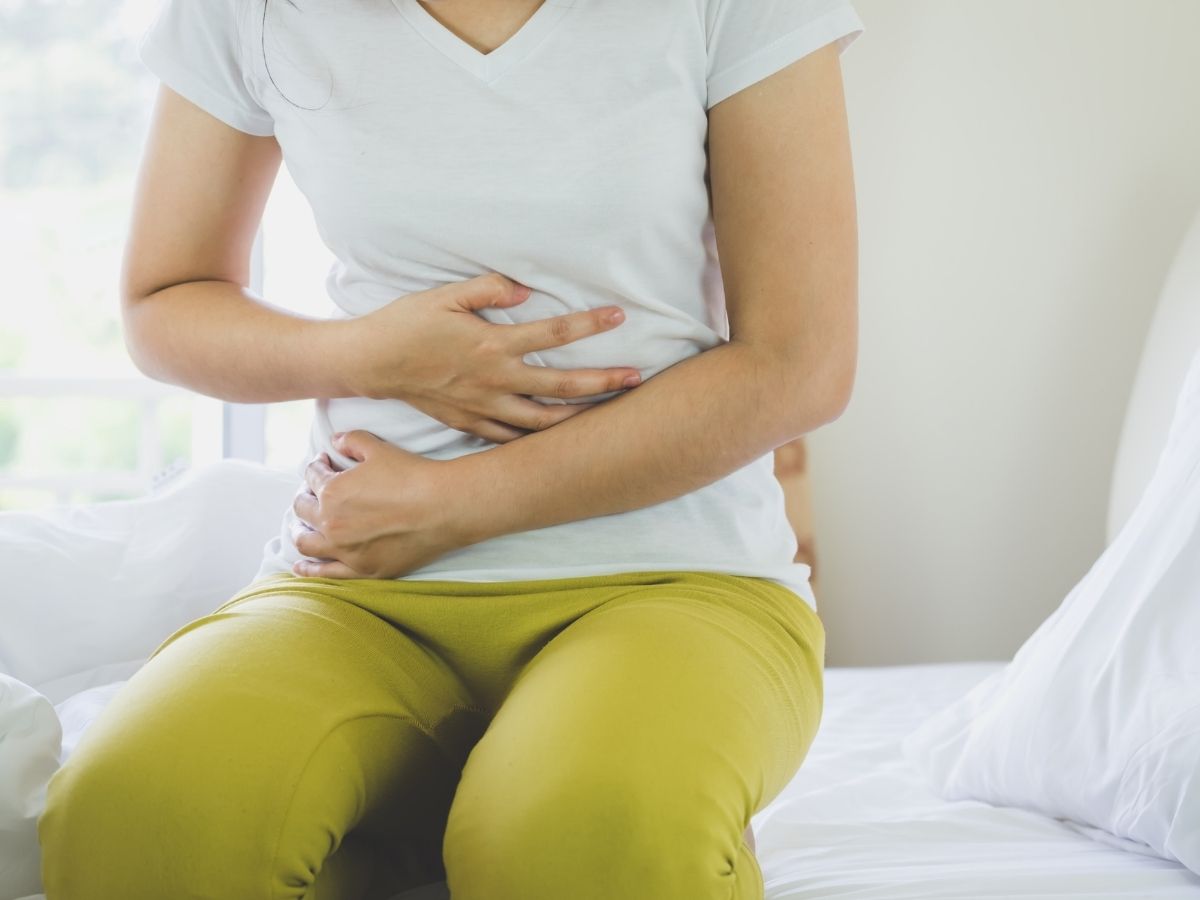
When we think about gut health, we often focus on the usual suspects: nutrition, hydration, probiotics, stress management, and sleep.
And while those are all important pieces of the puzzle, many of our patients come to us saying they’ve already worked on all of those areas… and still can’t find relief from constipation.
So what’s missing?
Your pelvic floor might just be the missing piece.
Constipation Is More Common Than You Think
Constipation affects an estimated 16% of adults in the U.S., and over 33% of people over 60. Many start struggling in their 20s or 30s, long before they expect to have digestive issues.
Laxatives are one of the most common over-the-counter medications, with millions of Americans using them regularly. Yet for many, relief is temporary.
That’s because constipation isn’t always a digestive problem. Sometimes, it’s a pelvic floor problem.
The Surprising Connection Between Your Gut and Your Pelvic Floor
Your pelvic floor muscles are a group of deep muscles at the base of your pelvis that help control bowel and bladder function.
When it’s time to poop, these muscles need to relax and coordinate with your abdomen and diaphragm to allow stool to pass easily.
When they’re too tight, weak, or not firing properly, it can stop things from moving, even if your digestion is otherwise healthy.
Think of it like trying to squeeze toothpaste out of the tube with the cap still on 😅
Over time, constipation can also cause straining and pushing, which tightens the pelvic floor muscles even more, and can put extra pressure on your pelvic floor muscles and pelvic organs. This creates a vicious cycle:
Constipation → straining → pelvic floor tension → more constipation → discomfort → no poop!
How Pelvic Floor Physical Therapy Can Help Constipation
At Uplift Pelvic Health & Wellness, we take a holistic and personalized approach to bowel health. Our goal is to get things moving comfortably and naturally, and help you poop with ease!
How does pelvic floor therapy help with constipation?
1. Internal Manual Therapy
Gentle internal work helps release tension in the pelvic floor muscles and improve gut motility.
By relaxing the muscles around the rectum and pelvis, the body can move stool more efficiently without straining.
2. Pelvic Floor Relaxation Exercises
You’ll learn specific breathing and relaxation techniques that help your muscles “let go” and coordinate properly for smoother bowel movements.
3. Posture and Toilet Position Coaching
Sometimes the way you sit on the toilet matters! We teach techniques to support bowel emptying without pushing, protecting your pelvic floor from added strain.
4. Lifestyle and Stress Management
Constipation can also be affected by stress, movement, and hydration. We’ll help you identify and adjust these areas for better gut health overall.
Read more about our services and treatments.
Try These Simple Tips for Better Poops
- Use a foot stool to lift your legs when you go 💩 (yes, the Squatty Potty really works)
- Practice 360° breathing while sitting on the toilet to help your body relax
- Perform gentle abdominal self-massage in circular motions to promote gut motility
- Do daily pelvic floor relaxation exercises like happy baby, child’s pose, or supported deep squats
You Don’t Have to Live With Constipation
Constipation can impact your comfort, energy, and quality of life, but it doesn’t have to be your norm.
Pelvic floor therapy can help you understand what’s really happening in your body and give you tools for long-term relief — without relying on laxatives or guesswork.
At Uplift Pelvic Health & Wellness, we specialize in treating the root cause of pelvic floor dysfunction, helping you move, live, and poop with ease again.
Ready to get started? In our pelvic health initial evaluation appointments, we review your symptoms, history and goals, assess how your body is moving, do an internal exam if warranted to see how your pelvic floor muscles are actually functioning, and get you started with a plan of exercises and how many sessions you can expect to get you feeling back to normal.
Get started here by booking an evaluation!
