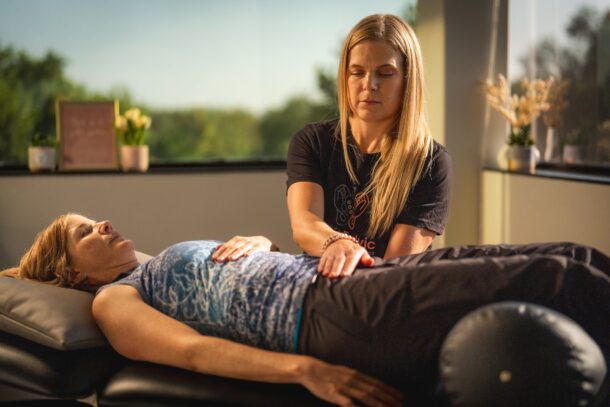
Visceral Mobilization: How Gentle Organ Work Can Ease Pelvic Pain, Bloating, and Bladder Issues
When most people think of pelvic floor therapy, they picture exercises, posture work, or maybe internal manual techniques.
But one of the most overlooked contributors to pelvic symptoms lives even deeper: your organs.
Your bladder, uterus, ovaries, and digestive organs are designed to glide, stretch, and move as you move. When that motion becomes limited (maybe due to tension, scar tissue, inflammation, or past injury), it can create symptoms that don’t always seem connected at first.
That’s where visceral mobilization comes in.
What Is Visceral Mobilization?
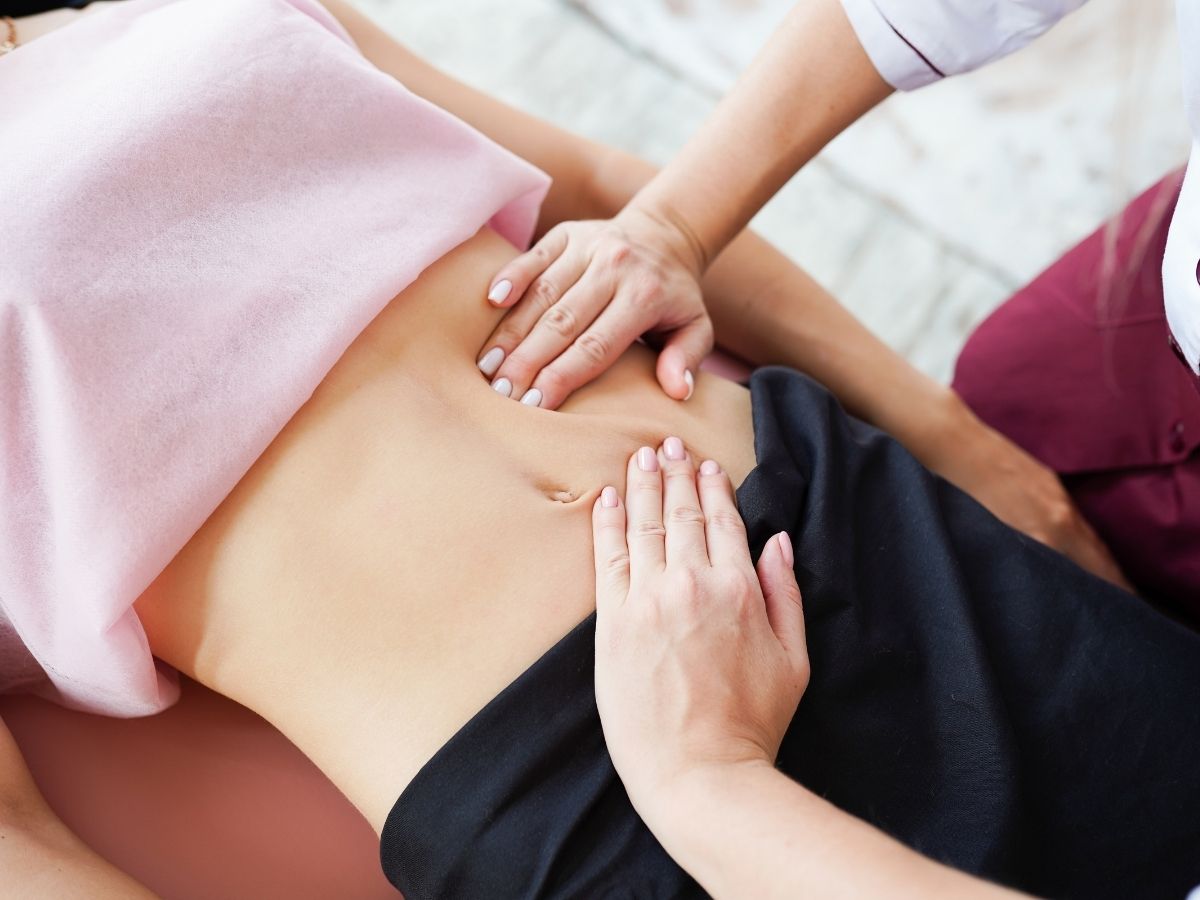
Visceral mobilization (or visceral manipulation) is a gentle, hands-on technique that helps restore healthy mobility of your internal organs. Each organ sits in a web of connective tissue called fascia. When that fascia becomes tight or restricted, the organ can’t move as it should.
A lack of organ movement can lead to:
- Pelvic or abdominal pain
- Bloating or digestive discomfort
- Constipation
- Urinary frequency or urgency
- Feelings of “tightness” deep in the pelvis
- Pain during intercourse
- Slow postpartum recovery
- Chronic tension patterns that won’t go away with stretching alone
Using gentle, specific pressure and movement, your pelvic PT helps the organs and surrounding fascia move the way they’re meant to.
Why Do Visceral Restrictions Happen?
Several common pelvic health events can lead to visceral tension or scar tissue, including:
1. Surgery or Injury
C-sections, laparoscopies, hysterectomies, appendectomies, hernia repairs, and even endometriosis surgery can leave behind scar tissue that restricts movement.
2. Inflammation
Chronic constipation, IBS, endometriosis, or repeated urinary tract infections can irritate tissues and cause the organs to stiffen or “stick.”
3. Pregnancy & Postpartum Changes
Growing a baby changes the position and pressure around the organs. After delivery, the organs don’t always bounce back to ideal movement on their own.
4. High Stress & Muscle Guarding
When the nervous system is in a stressed state, the body tends to tighten—especially around the gut.
5. Posture & Breath Mechanics
Shallow breathing, rib stiffness, or prolonged sitting can limit the natural movement of the diaphragm and organs.
When these restrictions build up, organs can tug on one another, press against sensitive tissues, or send threat signals to the nervous system… which can all contribute to pelvic floor dysfunction.
How Does Visceral Mobilization Treatment Work?
During a session, we take the time to get a full picture of how your body is moving and functioning, not just one area in isolation. That includes assessing scar mobility (both at the surface and deeper layers), how your abdominal wall is functioning, your breathing mechanics, pelvic floor coordination, and even how your organs are moving and interacting with surrounding tissues.
From there, treatment is tailored to what your body needs. This may include gentle visceral mobilization work to support organ mobility, hands-on scar tissue work to reduce restriction, and breathwork to help restore more efficient pressure management. We also incorporate core coordination and pelvic floor-specific exercises to improve how everything works together, along with nervous system management strategies to help your body feel safe enough to let go of tension.
Rather than treating one symptom, visceral work is typically woven into a broader pelvic floor treatment plan that includes core and even full-body functional exercises and treatments. Your body functions as a system, where everything is interconnected, and the best results come from supporting it that way!
Visceral techniques use gentle, sustained pressure to release the fascial layers around the organs. This work helps restore the natural movement patterns that allow your body to function at its best.
Many patients describe the sensation as:
- A slow melting or softening
- A release of deep tension
- Relief in areas they didn’t realize were tight
- A sense of openness or improved mobility
- Less bloating or pressure
By releasing tension in the fascia surrounding your organs, we decrease the body’s sense of “threat” or stress in that area. When the nervous system no longer feels the need to guard or protect the organ, the surrounding muscles (including the pelvic floor) can finally relax and move more freely.
This is why visceral mobilization is often a missing piece for people whose pelvic symptoms haven’t improved with pelvic floor exercises alone.
Sometimes, you just need an extra hand (or two).
How Visceral Work Supports a Pelvic Floor Exercise Program
Visceral mobilization works best in combination with your pelvic floor program. Here’s why:
- If an organ is restricted, the pelvic floor might tighten to compensate.
- Releasing the organ frees the pelvic floor to relax and activate properly.
- Breathing improves when the diaphragm and organs can move which creates better core coordination.
- Pain decreases, which reduces muscle guarding and improves movement tolerance.
Many patients notice that pelvic floor strengthening, relaxation exercises, and mobility work become more effective once visceral restrictions are addressed.
A Visceral Technique You Can Try at Home: Skin Rolling
Skin rolling is a simple self-technique that helps lift and loosen the superficial fascia of the abdomen.
How to do it:
- Lie comfortably on your back with knees bent.
- Gently pinch a small section of skin between your thumb and fingers—just enough to lift the skin layer without pain.
- Roll the skin upward, then gently forward and backward, exploring tight or tender areas.
- Move slowly around the abdomen, especially around:
- C-section scars
- Lower belly tension
- Tight areas near the ribs
- Aim for 3–5 minutes, breathing deeply and stopping if you feel sharp pain.
This should feel like stretching or tugging—not sharp, pinching pain. Over time, you may feel the tissue soften or lift more easily.
When to Consider Visceral Mobilization
You may benefit from visceral work if you experience:
- Chronic constipation or bloating
- Pelvic pain that hasn’t improved with stretching
- Urinary urgency or frequency
- Post-surgical scar tightness
- Menstrual pain
- Pain with intercourse
- Lower back pain linked to deep abdominal tension
- A sense of internal “pulling” or pressure
If you’re unsure whether visceral mobilization could help your symptoms, a pelvic floor PT can assess which organs or fascial lines may be contributing.
You Don’t Have to Live With Deep Pelvic or Abdominal Tension
Your organs are meant to move! And when they do, everything from bowel movements to bladder function to pelvic floor health improves.
If you’re experiencing pelvic or abdominal symptoms that haven’t fully responded to traditional treatment, visceral mobilization may be the piece you’ve been missing.
Ready to explore visceral work? Book your session and mention it in the notes so we can customize your care.