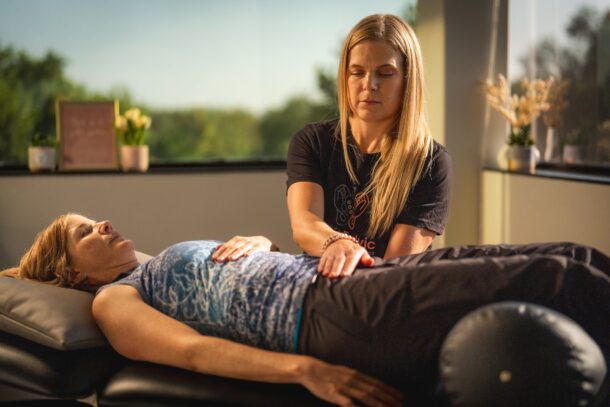
What Is Internal Manual Pelvic Floor Therapy?
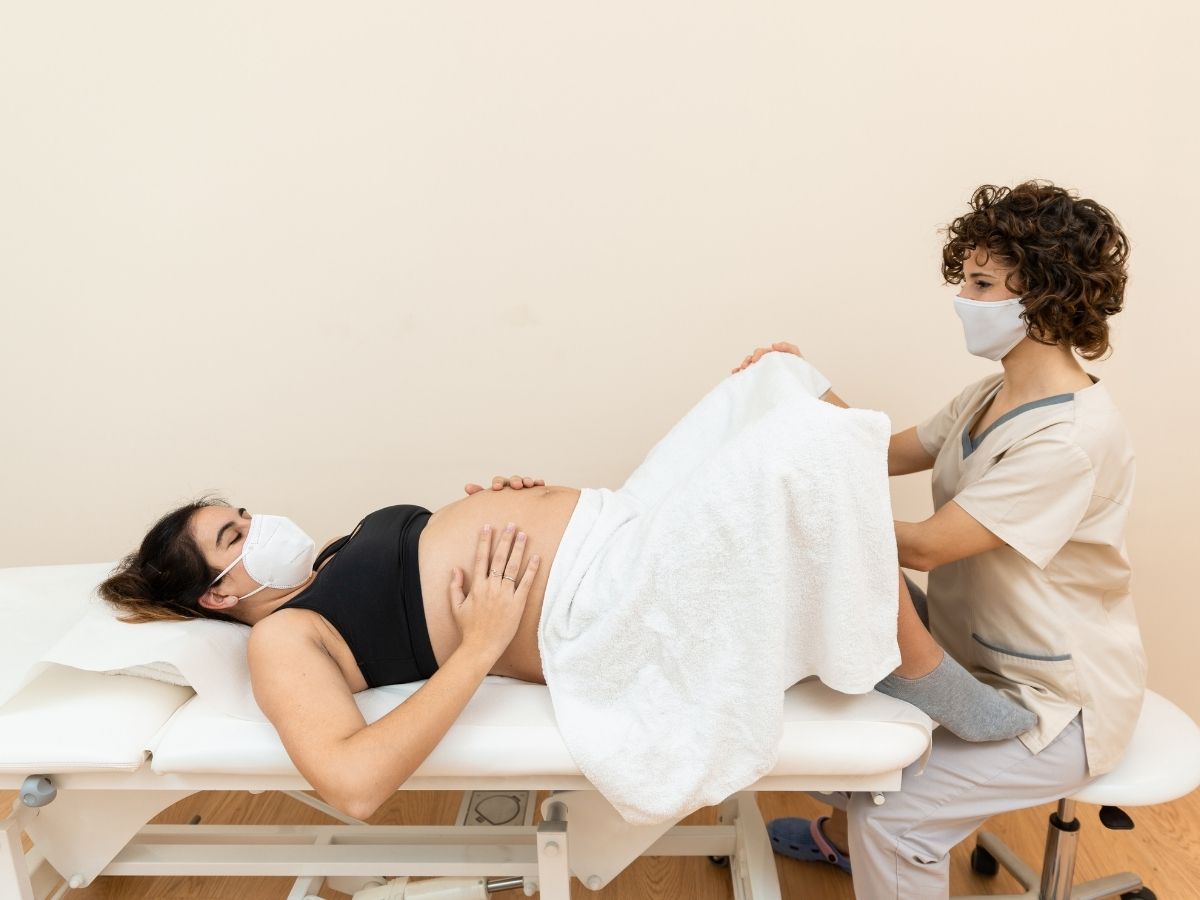
(and why it is transformative for your pelvic floor health and healing)
If you’ve ever been to physical therapy before (maybe for a shoulder, hip, knee, or post-surgery recovery), you probably remember stretches, strengthening exercises, and some hands-on work to help your muscles heal and work up to being able to do daily activities or exercise without pain.
Pelvic floor physical therapy is not that different, except that we’re working with muscles that live deep within the pelvis. Pelvic floor muscles are unique in that we often don’t think about them, or know how to engage or stretch them; however these muscles play a HUGE role in your comfort, control, and confidence. When they’re not functioning well, they can cause problems like pelvic pain, leaking, constipation, pain with sex, and even feelings of heaviness or prolapse.
While there are improvements you can make through exercises alone, research shows that manual internal therapy is one of the most effective ways to treat pelvic floor dysfunction — with studies showing improvement in 80–90% of patients (International Urogynecology Journal, 2019).
So what exactly is internal manual therapy? And what should you expect?
What Is Internal Manual Therapy?
Internal manual therapy is a gentle, hands-on technique performed by a specially trained pelvic floor physical therapist. Using a gloved finger (vaginally or rectally, depending on your anatomy and symptoms), your therapist assesses how your pelvic floor muscles are functioning. Typically they are checking for tension, weakness, or coordination issues.
From there, we use targeted techniques like:
- Trigger point release – relaxing overactive or tight areas of muscle.
- Gentle stretching – improving mobility and reducing tension.
- Soft tissue mobilization – helping blood flow and healing.
- Nerve or fascia work – releasing restrictions that may be contributing to pain or pressure.
This work can help improve muscle relaxation, circulation, and comfort, as well as motility of the gut and ease of vaginal or rectal insertion (for exams, sex, or bowel movements).
A Quick Look at Pelvic Floor Anatomy
The pelvic floor is made up of three layers of muscles — a total of around 14 muscles that stretch like a hammock from your pubic bone to your tailbone.
These muscles work together to:
- Support your pelvic organs (bladder, uterus, rectum)
- Control urination and bowel movements
- Stabilize your hips and lower back
- Contribute to sexual function and sensation
When these muscles are too tight, weak, or uncoordinated, symptoms like pain, leaking, constipation, or heaviness can occur. Internal therapy helps restore balance and function to this important group of muscles.
What Internal Work Helps With
Internal manual therapy can make a huge difference in many pelvic health concerns, including:
- Pain with sex (dyspareunia) – releasing muscle tension and improving blood flow for more comfort and ease.
- Urinary leakage or urgency – retraining the muscles that support bladder control.
- Pelvic pain or pressure – improving mobility and reducing chronic tightness.
- Constipation and bowel issues – increasing pelvic muscle coordination and gut motility.
- Birth preparation – teaching muscle awareness, relaxation, and perineal massage to reduce tearing and promote an easier delivery.
- Postpartum recovery – helping restore strength, mobility, and comfort after birth or tearing.
- Prolapse symptoms – supporting pelvic organs with better alignment and muscle function.
Manual therapy can be done vaginally or rectally, depending on your specific anatomy and symptoms — and always within your comfort level.
Taking Healing Into Your Own Hands
At Uplift, we believe in empowering our patients to take an active role in their care. That’s why we often teach gentle self-release techniques you can do at home using tools like the pelvic wand.
This allows you to maintain progress, relieve tension as needed, and feel more connected to your body. However, it’s important to get professional guidance first — we’ll show you safe techniques and areas to avoid too much pressure.
What to Expect During a Session
Your comfort and consent are our top priority. You’ll always have privacy, clear explanations, and control over what happens. Internal work is never painful — and you can stop or decline it at any time.
Many patients tell us afterward that they were surprised by how gentle and effective the treatment was, and how much better they felt afterward!
Learn more about our services and treatments.
In Summary
Internal manual therapy is one of the most transformative tools we have in pelvic floor physical therapy. It helps release deep muscle tension, improves coordination and control, and restores confidence in your body.
Whether you’re experiencing pain, preparing for birth, or working toward recovery postpartum, we’re here to guide you every step of the way.
Still have questions about how we can help? We offer a free 15-20 minute discovery call, where we learn more about your specific goals and symptoms. We are here for you!
Get started here.