Pelvic Pain
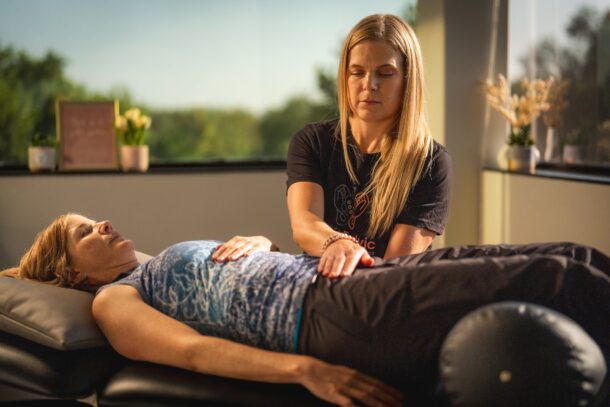
Whole-body, personalized care designed to restore comfort and confidence
Pelvic pain refers to discomfort or pain that occurs in the lower abdominal area, within the region of the pelvis. It can affect both men and women, but it is more commonly reported by women due to the complex structures in the pelvic area, including the reproductive organs, urinary and digestive systems, and the pelvic floor muscles.
Areas of Focus
Endometriosis
Painful Periods
Interstitial Cystitis
Pudendal Neuralgia
Pain with Intercourse/Exam
Vaginismus
Vulvodynia
Tailbone Pain
Chronic or Acute Hip/Low Back Pain
SI Joint Dysfunction
Post Prostatectomy Care
Symptoms That Could Indicate Pelvic Floor Dysfunction:
Many people don’t realize these symptoms can be connected to the pelvic floor:
-
- Pain with sitting
- Burning, sharp, or aching pain in the pelvis
- Genital, rectal, or vaginal pain
- Pain during or after intercourse
- Pain with bowel movements or urination
- Constipation or incomplete emptying
- Pain that worsens with stress, exercise, or your menstrual cycle
- Pressure or heaviness in the pelvis
- Difficulty standing, walking, or exercising without discomfort
How Pelvic Floor PT Helps:
Your treatment may include:
-
- Internal and external manual therapy to release tight pelvic floor muscles
- Visceral mobilization to address organ tension around the bladder, uterus, or bowels
- Nervous system reprogramming for pain hypersensitivity
- Dry needling to release stubborn trigger points
- Scar tissue mobilization (C-section, episiotomy, abdominal surgery)
- Postural and movement retraining
- Strengthening or relaxation exercises depending on your needs
- Education on bladder/bowel habits
- Pain-free strategies for intimacy and daily activities
- Internal and external manual therapy to release tight pelvic floor muscles